
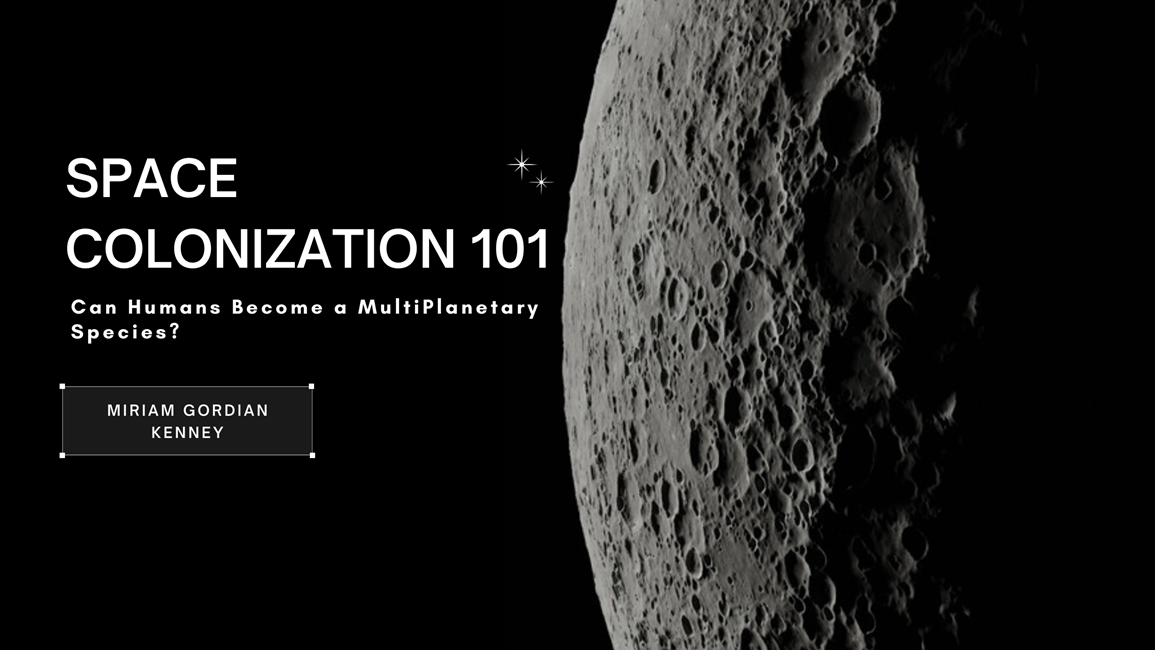
The dream of space colonization, once confined to science fiction, is now a topic of serious discussion among scientists, engineers, and visionaries. The idea of humans becoming a multi-planetary species has gained traction, fueled by advancements in space exploration technology and a growing awareness of the need for a backup plan for humanity’s future. Let’s embark on a journey into the possibilities and challenges of space colonization.
The Vision of Multi-Planetary Existence:
The primary driver behind space colonization is the quest for resilience and sustainability. Despite its abundance and diversity, Earth faces potential threats ranging from natural disasters to human-induced catastrophes. Establishing a human presence on other celestial bodies, such as Mars, offers a potential lifeline for our species.
Mars: The Promising Frontier:
Among the celestial bodies in our solar system, Mars stands out as a prime candidate for human colonization. Its proximity to other planets and the presence of essential resources make it a feasible option. Organizations like SpaceX have outlined ambitious plans for sending humans to Mars, envisioning the establishment of self-sustaining colonies.
Challenges on the Journey:
While the idea of space colonization is captivating, it comes with many challenges. Overcoming the harsh conditions of space, including microgravity and cosmic radiation, is a priority. Another hurdle is developing sustainable ecosystems supporting human life for extended periods. Additionally, interplanetary travel’s sheer logistical and financial demands pose significant obstacles.
Technological Innovations:
Advancements in propulsion systems, life support technologies, and sustainable resource utilization are crucial for making space colonization a reality. Researchers are exploring innovative solutions, such as 3D printing habitats using locally sourced materials on Mars, to address the challenges of building and maintaining human settlements in space.
Ethical Considerations:
Space colonization raises ethical questions about our responsibility to other celestial bodies and potential extraterrestrial life. Striking a balance between exploration and preservation is vital to ensuring that our endeavors in space respect the intrinsic value of other worlds.
The Road Ahead:
While space colonization remains a complex and long-term goal, the progress made in recent years is undeniably promising. The successful deployment of robotic missions, ongoing research on the International Space Station, and the determination of private and governmental space agencies indicate that humanity is steadily advancing toward realizing this extraordinary vision.
In conclusion, the dream of humans becoming a multi-planetary species represents a bold and audacious pursuit. It requires the collective efforts of scientists, engineers, policymakers, and society. As we venture beyond Earth, we must approach space colonization with a spirit of exploration, responsible stewardship, and a commitment to ensuring our species’ survival and prosperity in the vastness of the cosmos.